7 Thanksgiving Foot Care Tips to Stay on Your Feet

November 9, 2026

Thanksgiving foot care tips can help prevent pain, swelling, slips, burns, and overuse injuries during a busy holiday. Wear supportive shoes, take regular sitting breaks, keep walkways clear, avoid barefoot cooking, and monitor concerning symptoms. These simple steps help you host, travel, and enjoy Thanksgiving more comfortably.

Thanksgiving foot care tips for comfortable holiday standing

Why do feet hurt more during Thanksgiving?

Thanksgiving often combines long periods of standing, extra walking, travel, unfamiliar surfaces, and a change from your normal routine. Cooking, cleaning, shopping, watching a parade, or visiting family can keep you on your feet for hours.

Common causes of holiday foot and ankle discomfort include:

  • Unsupportive slippers, socks, or dress shoes
  • Standing on hard kitchen or garage floors
  • Sudden increases in walking or stair use
  • Dehydration, which can contribute to muscle cramping
  • Trips and falls caused by clutter, loose rugs, or poor lighting

People with plantar fasciitis , arthritis, bunions, diabetes, or a previous ankle sprain may notice symptoms sooner. Planning ahead can reduce stress on the feet before pain becomes distracting.

7 Thanksgiving foot care tips that work

1. Choose supportive shoes, not just comfortable-looking shoes

Wear shoes with a secure fit, cushioning, and reliable arch and heel support when you cook, travel, or shop. Athletic shoes or supportive walking shoes are often better choices than flat slippers, thin house shoes, or worn-out footwear.

Choose a wide enough toe box so your toes are not compressed. If you use custom orthotics, bring them with you rather than switching suddenly to unfamiliar inserts. Avoid wearing brand-new shoes for an all-day gathering; holiday events are not the best time to test them.

2. Take movement breaks while cooking

Alternate standing tasks with seated tasks. Every 30 to 60 minutes, sit down briefly, elevate your feet if possible, and gently move your ankles. Short breaks can reduce fatigue and swelling without interrupting meal preparation.

A small anti-fatigue mat may also help when you must stand at a counter. Keep it flat and secure so it does not become a tripping hazard.

3. Keep floors and walkways safe

Holiday decorations, shopping bags, pet toys, cords, and serving dishes can create hazards. Before guests arrive, check hallways, stairs, bathrooms, and entrances for anything that could cause a trip.

Use adequate lighting, secure loose rugs, and wipe up spills promptly. If you are traveling, inspect unfamiliar walkways and wear shoes with traction rather than walking in socks.

4. Prevent kitchen burns and cuts

Cooking creates risks beyond soreness. Wear protective, closed-toe shoes in the kitchen and avoid walking barefoot near hot pans, sharp objects, broken dishes, or dropped food. Use care when carrying heavy cookware, and ask for help with large pots or roasting pans.

If you sustain a foot injury, clean minor cuts promptly and watch for increasing redness, drainage, warmth, or swelling. People with diabetes should take foot wounds especially seriously and contact their healthcare professional for guidance.

Supportive walking shoes beside a Thanksgiving kitchen mat

5. Stretch and move after a long trip

Car rides and flights can limit movement and leave your ankles stiff. During travel, change position regularly, move your feet and ankles, and take walking breaks when safe. After arriving, gentle calf and ankle movements can help you transition back to normal activity.

Do not force a stretch into pain. If one-sided swelling, significant calf pain, chest pain, or shortness of breath develops, seek urgent medical attention.

6. Manage swelling and fatigue

If your feet feel tired after a long day, rest and elevate them for a short period. Comfortable, breathable socks and adequate water may also help. Avoid tightly binding swollen feet in shoes, and do not ignore swelling that is sudden, severe, or associated with injury.

People who have ongoing ankle pain, arthritis , or tendon problems may benefit from a holiday plan tailored to their condition. A podiatrist can help identify appropriate footwear, activity limits, and supportive treatments.

7. Avoid doing too much too quickly

A holiday weekend is not the ideal time to begin an intense walking program, play a demanding pickup sport, or spend hours standing after several inactive weeks. Increase activity gradually and listen to early warning signs such as aching, burning, instability, or localized tenderness.

If pain continues after rest or repeatedly returns, schedule an evaluation. Conditions such as a stress fracture , tendon injury, or neuroma may worsen when ignored.

What should people with diabetes know about Thanksgiving foot safety?

People with diabetes should inspect their feet daily, including the soles and spaces between the toes. Look for blisters, cracks, redness, pressure marks, cuts, swelling, or changes in color. Wear properly fitting shoes and socks, and avoid walking barefoot—even indoors.

Do not apply heat directly to the feet, especially if sensation is reduced. Contact a healthcare professional promptly about a wound, infection concern, new discoloration, or injury. Learn more about diabetic foot complications and discuss preventive care during routine visits.

When should you see a foot and ankle specialist?

Seek professional care for pain that is severe, worsening, or limiting your ability to walk. An evaluation is also appropriate after a fall or twist if you cannot bear weight, notice substantial swelling or bruising, or see an unusual shape.

Make an appointment for persistent symptoms such as:

  • Pain that does not improve with rest and supportive footwear
  • Repeated ankle instability or sprains
  • Numbness, tingling, or burning
  • A nonhealing cut or blister
  • Increasing redness, warmth, drainage, or swelling

Strash Foot & Ankle Care provides diagnosis, conservative treatment, and surgical care when appropriate. Visit the services page to explore conditions treated, or use the contact page to request information in the San Antonio area.

Thanksgiving foot care checklist

Before the holiday, make a simple plan:

  • Wear supportive, properly fitting shoes
  • Schedule sitting and movement breaks
  • Clear clutter and secure loose rugs
  • Pack appropriate footwear for travel
  • Inspect your feet after a busy day

Final takeaway

The most effective Thanksgiving foot care tips are simple: wear supportive shoes, limit uninterrupted standing, keep walkways clear, protect your feet in the kitchen, and respond early to pain or injury. These habits are especially important if you have diabetes, arthritis, plantar fasciitis, or a history of ankle problems. Before hosting or traveling, choose practical footwear and plan regular breaks. After the holiday, persistent pain, swelling, instability, numbness, or a wound deserves professional attention. Use the holiday as a reminder to protect your mobility, then contact a foot and ankle specialist if symptoms do not improve.

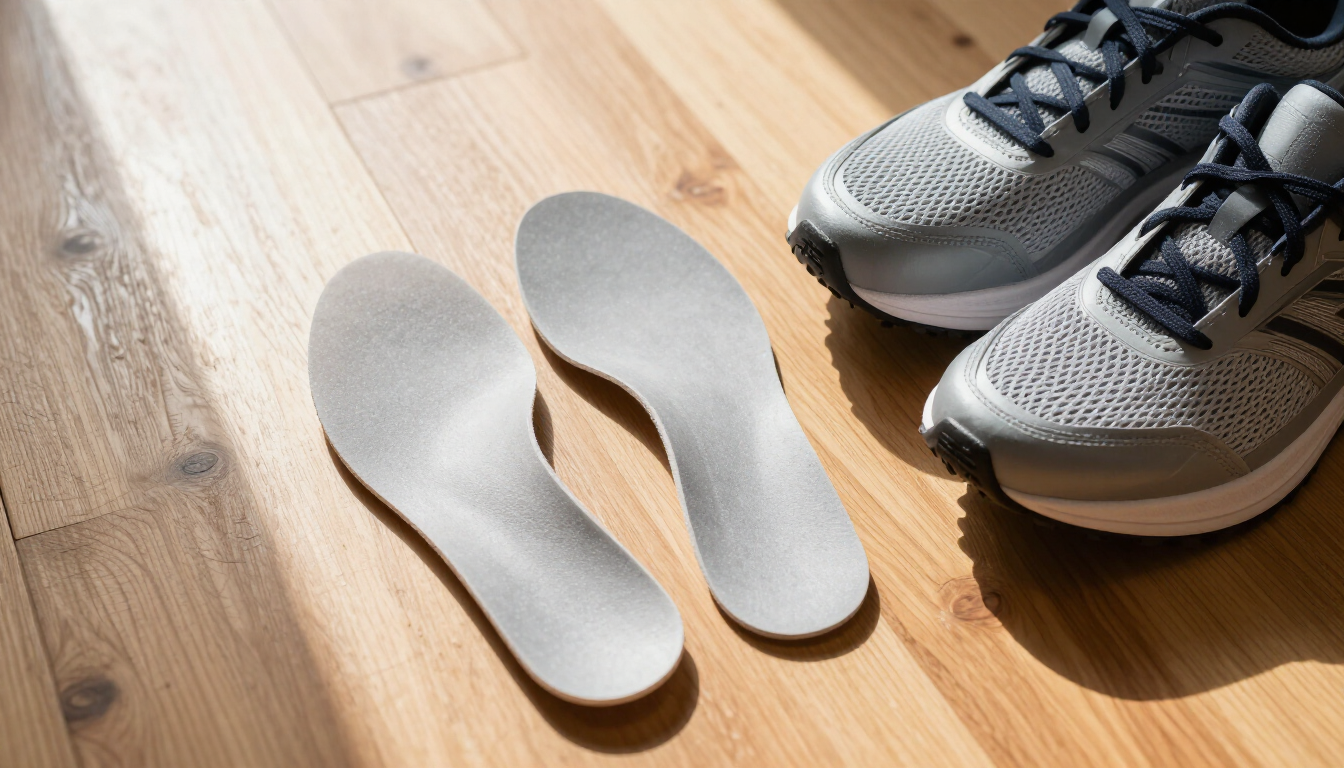
Custom medical orthotics for foot support and pain relief.
July 23, 2026
Learn how custom orthotics provide superior support, alleviate chronic foot pain, and why they are a better investment than store-bought insoles. Discover the benefits for San Antonio residents at Strash Foot & Ankle Care.
A person walking safely on a beach during summer.
June 18, 2026
Stay active and pain-free this summer! Explore our expert guide to summer foot safety, covering footwear choices, fungal prevention, and how to handle the San Antonio heat.
May 6, 2026
Dr. Walter Strash and his family are celebrating a very special accomplishment as his daughter, Bella Strash, officially graduated from the UT Rio Grande Valley School of Podiatric Medicine this past Saturday. Following graduation, Bella will begin her podiatric residency in Houston on July 1st as she continues her journey in the field of podiatric medicine. Please join us in congratulating Bella on this incredible achievement and wishing her continued success as she begins this exciting next chapter in her career!

By VIV Builder • April 9, 2026
Keep your feet healthy and pain-free this Foot Health Awareness Month. Learn about heel pain, orthotics, diabetic care, and injury treatment to stay active.
By VIV Builder • March 17, 2026
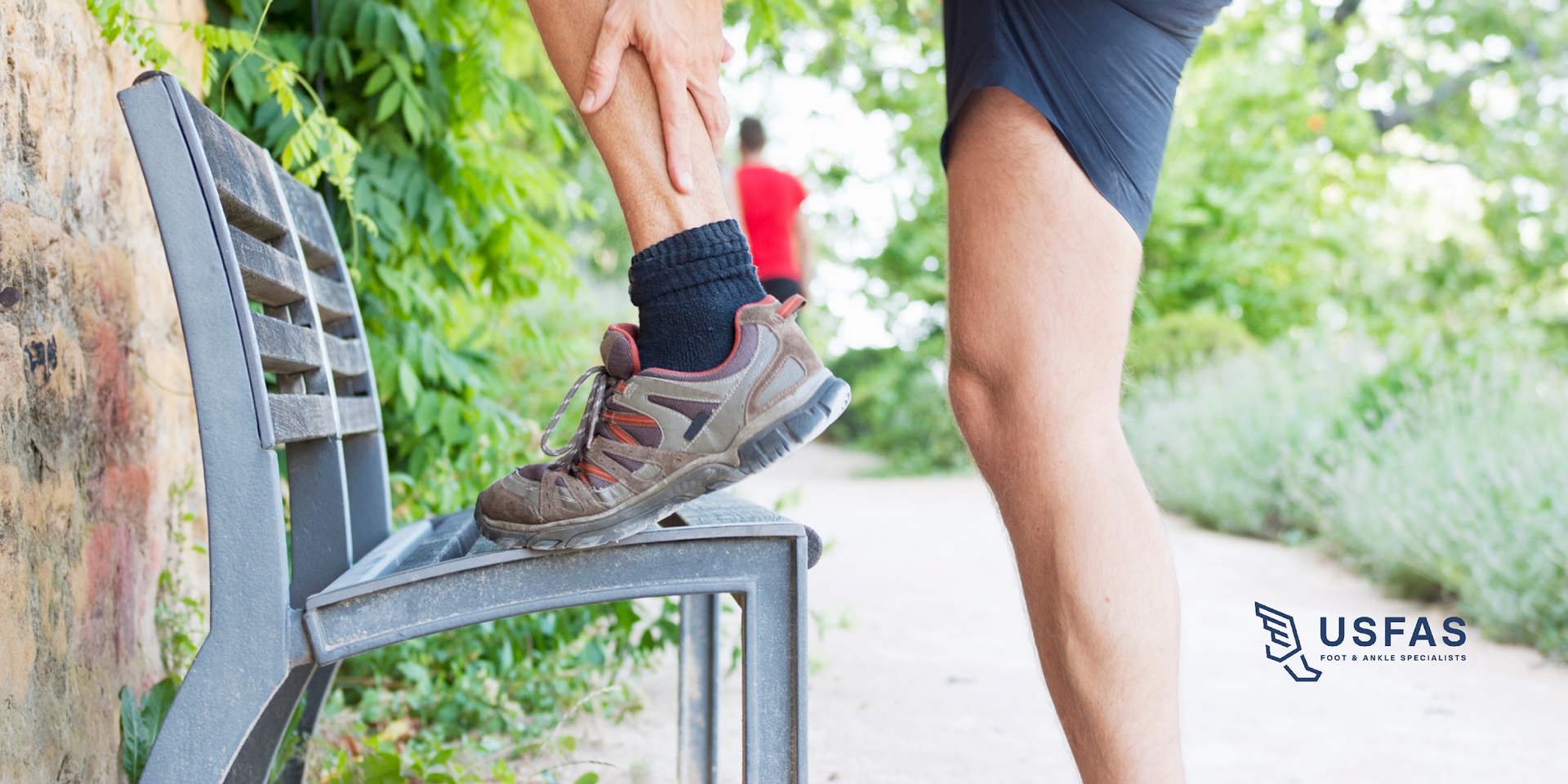
Achilles tendonitis can cause heel pain and stiffness that worsens over time. Learn the symptoms, causes, and how podiatry care can help you recover and stay active.
By VIV Builder • March 1, 2026
Ingrown toenails can quickly become painful if left untreated. Learn causes, symptoms, and how podiatry care can provide safe, effective relief and prevention.
By VIV Builder • February 19, 2026
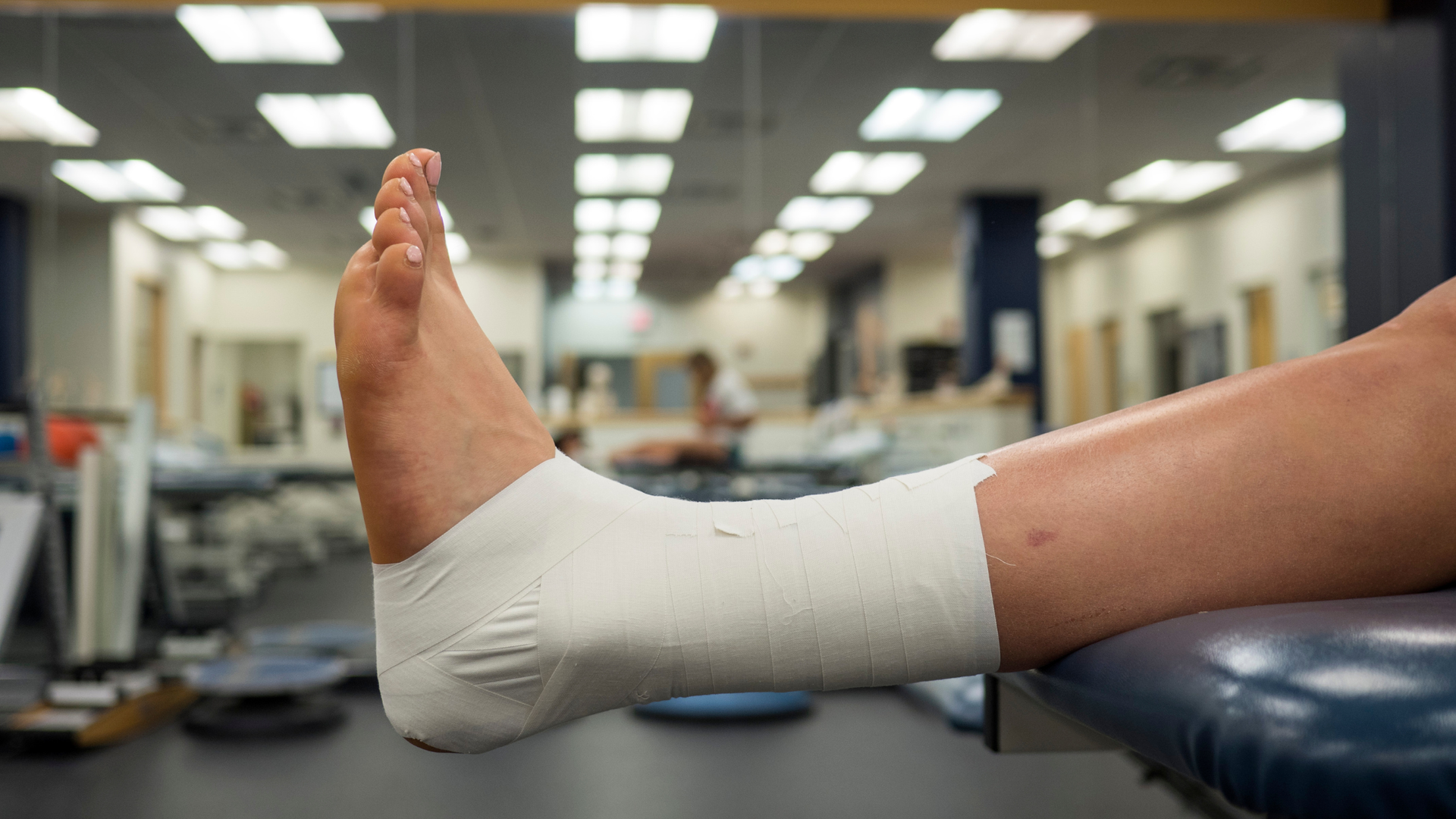
Don’t ignore an ankle sprain. Learn symptoms, causes, and why early treatment is key to preventing long-term pain and instability with expert podiatry care.
Dr. Strash 35 Year Anniversary
By VIV Builder • February 5, 2026
Celebrate Dr. Strash's 35 year anniversary in practice.
By VIV Builder • February 5, 2026
Show your feet some love this February. Learn about common foot problems like heel pain, ingrown toenails, and diabetic foot care, and how podiatry treatment can help.
By VIV Builder • January 23, 2026
Learn what a podiatrist does and how they can help treat foot and ankle conditions. Discover when to seek care and how to stay active, pain-free, and healthy.

Show More