Signs You May Have a Stress Fracture
January 23, 2018
Find out if the symptoms you’re experiencing could be trying to tell you that you have a stress fracture.
A stress fracture occurs when a tiny crack in the bone of your foot or ankle develops. More often than not stress fractures come about over time due to overuse, which is why a lot of athletes experience this problem at some point during their lifetime. Are you wondering if your discomfort could actually be a stress fracture? Our Newark, DE, podiatrists, Dr. Raymond DiPretoro, Jr. and Dr. Aahba M. Suchak, are here to help you figure out if it’s time to schedule an evaluation with us.
How do stress fractures happen? As we mentioned above, this is a problem that commonly plagues athletes and runners because stress fractures often arise from overuse or from performing repetitive movements. Of course, if you suddenly change the intensity or duration of a workout you may also find yourself dealing with this problem. It’s important that you are warming-up and conditioning your body properly before exercising or adopting a new workout routine.
Those with other health problems such as osteoporosis or arthritis may also be prone to stress fractures in the feet and ankles.
What are the symptoms of a stress fracture? Pain is the number one indicator of a stress fracture. Of course, a lot of injuries and other problems can lead to foot and ankle pain so you’ll want to visit our Newark foot doctors for a proper and comprehensive foot evaluation to determine the true source of your pain.
If you have a stress fracture, pain may get worse when walking or putting weight on the foot but the pain may subside when resting. The pain may be exacerbated throughout the day depending on your activity level. There may also be some swelling present on the top portion of the foot or around the ankle (depending on the location of the stress fracture). The area may also be tender to the touch or there might be some minor bruising.
If you suspect that you have a stress fracture it’s important that you schedule an appointment with us right away so that we can diagnose and treat your condition as soon as possible to prevent complications.
Don’t ignore changes in the health of your feet. Our team of foot care specialists at Advanced Foot & Ankle Center in Glasgow, Wilmington, and Newark, DE, are here to make sure you get the care you need to speed up recovery and get back to your daily activities. Call our office at 555-555-555 to learn more.
A stress fracture occurs when a tiny crack in the bone of your foot or ankle develops. More often than not stress fractures come about over time due to overuse, which is why a lot of athletes experience this problem at some point during their lifetime. Are you wondering if your discomfort could actually be a stress fracture? Our Newark, DE, podiatrists, Dr. Raymond DiPretoro, Jr. and Dr. Aahba M. Suchak, are here to help you figure out if it’s time to schedule an evaluation with us.
How do stress fractures happen? As we mentioned above, this is a problem that commonly plagues athletes and runners because stress fractures often arise from overuse or from performing repetitive movements. Of course, if you suddenly change the intensity or duration of a workout you may also find yourself dealing with this problem. It’s important that you are warming-up and conditioning your body properly before exercising or adopting a new workout routine.
Those with other health problems such as osteoporosis or arthritis may also be prone to stress fractures in the feet and ankles.
What are the symptoms of a stress fracture? Pain is the number one indicator of a stress fracture. Of course, a lot of injuries and other problems can lead to foot and ankle pain so you’ll want to visit our Newark foot doctors for a proper and comprehensive foot evaluation to determine the true source of your pain.
If you have a stress fracture, pain may get worse when walking or putting weight on the foot but the pain may subside when resting. The pain may be exacerbated throughout the day depending on your activity level. There may also be some swelling present on the top portion of the foot or around the ankle (depending on the location of the stress fracture). The area may also be tender to the touch or there might be some minor bruising.
If you suspect that you have a stress fracture it’s important that you schedule an appointment with us right away so that we can diagnose and treat your condition as soon as possible to prevent complications.
Don’t ignore changes in the health of your feet. Our team of foot care specialists at Advanced Foot & Ankle Center in Glasgow, Wilmington, and Newark, DE, are here to make sure you get the care you need to speed up recovery and get back to your daily activities. Call our office at 555-555-555 to learn more.

December 4, 2025
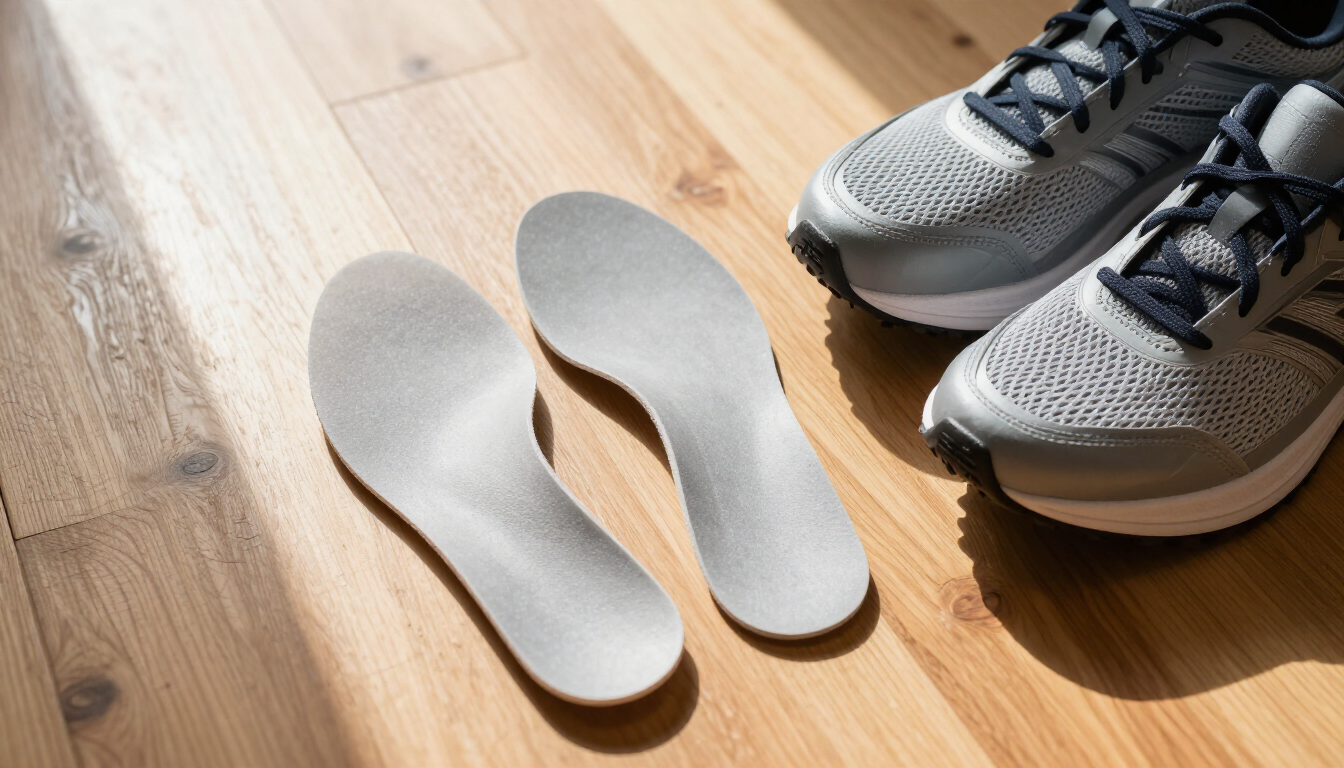
December is the season of giving, and there’s no better gift than comfort. If you’re looking for something meaningful, helpful, and long-lasting, custom orthotics are a great choice. They support the feet, improve balance, and make everyday activities easier and more comfortable. Why Orthotics Make a Great Gift Many people struggle with foot pain, tired feet, or discomfort when walking or standing. Custom orthotics can help by: Reducing foot, heel, and arch pain Providing better alignment and support Improving comfort during work, exercise, and daily routines Helping prevent future foot problems They are a thoughtful gift for anyone—especially those who stay on their feet all day, enjoy being active, or dealing with ongoing foot issues. How Our Team Can Help Our podiatry team offers: Custom Orthotic Fittings tailored to your foot shape and needs Foot Evaluations to identify pain points and pressure areas Supportive Shoe Recommendations for everyday comfort Ongoing Care for long-term foot health Give Comfort This Christmas If you’re searching for a gift that truly helps someone feel better, custom orthotics are a smart and meaningful choice. Contact our office to schedule an appointment or learn more about how orthotics can bring comfort all year long.

November 7, 2025
November marks National Diabetes Awareness Month , a time dedicated to raising awareness, supporting those affected, and sharing ways to live healthier with diabetes. With diabetes impacting millions of Americans, proactive foot care remains one of the most important—and often overlooked—parts of diabetes management. Why Foot Health Matters Diabetes can affect the feet in several ways, and early prevention is key. High blood sugar levels may lead to: Nerve damage (neuropathy) that causes numbness, tingling, or loss of sensation Reduced blood flow , slowing the healing process Higher risk of infections, wounds, and ulcers , which can become serious if left untreated Healthy, routine foot care can help prevent complications and support mobility, comfort, and long-term wellness. How Our Podiatry Team Supports Diabetic Foot Health We provide comprehensive diabetic foot care to protect, prevent, and treat foot-related concerns, including: Routine Diabetic Foot Exams Early detection and intervention to address concerns before they become more serious. Custom Orthotics Personalized support to improve balance, relieve pressure points, and enhance walking comfort. Advanced Wound Care Specialized treatment plans for wounds, ulcers, or injuries to promote faster healing and reduce risks. Footwear Guidance Recommendations for proper shoes and inserts designed to prevent irritation, friction, and injury. We’re Here to Help You Stay Healthy Caring for your feet is an essential part of staying active, independent, and healthy with diabetes. Whether you have questions about preventive care, footwear, or treatment options, our podiatrists are here to guide and support you every step of the way. This month is a great time to schedule a diabetic foot check or talk with us about ways to keep your feet protected year-round. Together, we can work toward better foot health and a healthier life with diabetes.

September 9, 2025
As temperatures drop and race season picks up, fall is the perfect time to refresh your running gear and hit the pavement, trails, or treadmill with confidence. Whether you’re training for your first 5K, prepping for a marathon, or simply enjoying crisp outdoor walks, choosing the right running shoe is essential to protecting your feet and keeping you moving injury-free. Our podiatrists—experts in both foot health and running biomechanics—have shared their top shoe recommendations to suit a wide range of runners, foot types, and fall activities. �55356;�57283;♀️ Best for Everyday Training & Long Distances Hoka Clifton 10 This lightweight, max-cushioned shoe is a favorite among neutral runners. It’s a reliable “workhorse” option for everyday runs or long distances, with plush support and breathable materials. Heel and midfoot strikers will appreciate the comfort, while the soft interior cushions repetitive impact—ideal for runners logging serious miles. �55358;�56781;♂️ Best for Stability & Support Puma ForeverRun Nitro 2 Need more structure? This stability shoe offers broad midfoot support and a snug heel for added control, making it a great choice for overpronators or those seeking extra reinforcement on long runs. A springy midsole absorbs shock and protects joints on hard surfaces like concrete and asphalt. ASICS Gel-Kayano 32 Another top-tier pick for stability, the Kayano provides plush cushioning and firm arch support. It’s a go-to option for marathoners or anyone prone to overpronation looking for long-lasting comfort on high-mileage days. Brooks Adrenaline GTS Flat-footed runners love this shoe for its supportive structure and reliable cushioning. It’s an excellent balance of motion control and responsiveness, keeping your gait aligned and reducing injury risk over time. �55357;�56415; Best for Beginners or Versatile Runners Brooks Ghost 17 A crowd favorite for its balanced cushioning, smooth transitions, and lightweight feel. This versatile shoe is perfect for newer runners or those unsure of their foot strike pattern. With updates that benefit both forefoot and heel strikers, it’s a safe bet for most training needs. ASICS Gel-Nimbus & Saucony Triumph These shoes are excellent options for runners with high arches who need a bit more cushioning and comfort for impact protection. �55356;�57138; Best for Trail Running Altra Olympus 6 For runners who prefer rugged terrain and natural surfaces, the Olympus 6 provides ample protection from rocks, roots, and uneven trails—without sacrificing comfort. It’s well-padded to prevent foot fatigue and boasts a roomy toe box, making it ideal for wide-footed runners or those who prefer a zero-drop design for a more grounded feel. �55356;�57119; Honorable Mentions by Foot Type For Flat Feet: Brooks Adrenaline GTS, ASICS Gel Kayano 32, Hoka Gaviota, Saucony Guide For High Arches: Brooks Ghost, ASICS Gel Nimbus, Saucony Triumph For Plantar Fasciitis: Brooks Adrenaline, ASICS Kayano, Hoka Clifton or Bondi For Wide Feet/Minimalist Preference: Altra Torin — known for a zero-drop platform and wide toe box �55356;�57281; Final Tips for Race Season Whether you're training for a fall race or upping your fitness game, remember: the right shoe can make all the difference in performance and injury prevention. If you’re experiencing discomfort, blisters, heel pain, or foot fatigue, it may be time for a professional shoe assessment—or a podiatric consultation. Our podiatry team is here to help you put your best foot forward this fall. Schedule an appointment to get fitted for the perfect pair and make sure your feet are race-day ready!

August 22, 2025
As the school year kicks off, most parents are focused on school supplies, lunchboxes, and new routines—but one of the most important back-to-school essentials is often overlooked: a good pair of shoes. Children and teens spend hours on their feet every day—walking through school hallways, running during recess, or playing sports after school. The right footwear doesn’t just offer comfort; it plays a vital role in supporting growing feet, preventing injuries, and setting kids up for a healthy, confident school year.

May 1, 2025
As temperatures rise and flip-flops come out in full force, it’s important not to overlook your feet when it comes to summer care. Whether you're heading to the beach, walking around amusement parks, or just enjoying backyard barbecues, your feet need protection and support to keep you moving comfortably all season long.

By info
•
April 10, 2025
Your feet are the foundation of your body, supporting you with every step you take. We understand that maintaining foot health is crucial to your overall well-being and mobility. In honor of April being National Foot Health Awareness Month, this blog explores why foot health should never be overlooked and provides tips for keeping your feet healthy. Why Foot Health Matters The human foot is a complex structure of 26 bones, 33 joints, and over 100 muscles, tendons, and ligaments. This intricate design allows for movements such as walking, running, and jumping. However, it also means that many things can go wrong if not cared for properly. Poor foot health can lead to a range of issues from simple aches and pains to more severe conditions like plantar fasciitis or diabetic neuropathy. Moreover, problems in your feet can affect other parts of your body, including your knees, hips, and back. Tips for Maintaining Healthy Feet Regular Check-ups: Just like regular dentist visits, regular check-ups with a podiatrist, especially during National Foot Health Awareness Month, can help catch foot problems before they become serious. Proper Footwear: Wear shoes that fit well and provide good support. Different activities require different types of shoes – what you wear for running is not suitable for a day at work. Foot Hygiene: Wash your feet daily, dry them thoroughly to prevent infections, and change socks daily. Stay Active: Regular exercise helps keep your feet and body healthy. Remember to stretch your feet and ankles before and after workouts. Manage Your Weight: Extra weight puts additional pressure on your feet, increasing the risk of foot disorders. Common Foot Conditions and Treatments Plantar Fasciitis: Often felt as heel pain, treated with exercises, proper footwear, and sometimes orthotics. Bunions: Misaligned big toe joints that can become swollen and tender. Treatment options include wearing comfortable shoes, pads, and in severe cases, surgery. Diabetic Foot Care: People with diabetes need to take extra care of their feet as poor blood circulation and nerve damage can lead to serious foot problems. We believe in a proactive approach to foot health. Whether you're an athlete, a busy professional, or enjoying retirement, taking good care of your feet is a step toward a healthier life. Celebrate National Foot Health Awareness Month with us and schedule an appointment today to learn how you can better care for your feet and enhance your overall wellness.

March 1, 2025
Bunions are a common foot condition that can cause pain, discomfort, and difficulty walking. They occur when the joint at the base of the big toe becomes misaligned, leading to a bony bump on the side of the foot. While bunions can develop due to genetics, improper footwear, or other factors, the good news is that advancements in podiatric care have made treatment and prevention more effective than ever. If you’re struggling with a bunion, seeing a podiatrist can provide relief and help you regain your mobility.

February 15, 2025
Custom orthotics can make a real difference in keeping your feet and ankles healthy. They offer targeted support, enhance stability, and help relieve pain tied to conditions like plantar fasciitis, flat feet, or general soreness. By improving mobility and reducing strain on the lower legs, custom orthotics let you stay active and comfortable.